
WaterBallast_FinalReport_20.12.2018
Ballast water is used to improve the draught, stability and strength of seagoing vessels when these are not (fully) loaded. The water is discharged elsewhere when new cargo comes on board. In this way, approximately 10 billion tonnes of ballast water are transported all over the world every year. Unfortunately, also a lot of marine organisms get transported in this way, some of which develop into invasive alien species in the new places where they end up. This makes treatment of ballast water necessary, but perhaps this does not make sense everywhere and ‘Same Risk Areas’ can be defined in which species are transported via natural currents anyhow?
In February 2004, the International Maritime Organisation (IMO) adopted by consensus the International Convention for the Control and Management of Ships’ Ballast Water and Sediments (BWM). The BWM requires all ships to implement a ballast water management plan, keep a ballast water record book and carry out ballast water management procedures according to a given standard. Parties of the convention are given the option to take additional measures based on criteria set out in the convention and IMO guidelines. The BWM entered into force on 8 September 2017. In 2024, all ships that sail in international waters should comply with the regulations and have a ballast water management system.
Same Risk Areas
In order to anticipate on this future situation, governments around the world have started analyses to determine the viability of so‐called Same Risk Areas (SRA). SRAs are exemption areas within the ballast water management convention in which it is not necessary to treat the ballast water, that can be loaded and unloaded anywhere within the SRA. Dutch and Belgian Ministries have taken the initiative to analyse the viability of an SRA in their waters. RBINS/ODNature and GIMARIS performed the research focusing on Zeebrugge, Antwerp, Vlissingen and Rotterdam. The role of the Eastern Scheldt as a hub for connectivity in the SRA is also investigated. The inclusion of London, Hull and Amsterdam in the SRA was briefly considered. An economic study in parallel with this ecological assessment was executed as well. Economic considerations were investigated in a parallel study.
The followed approach was two‐fold: available biological data on the occurrences of alien species within the region of the SRA were collected and analysed, and the connectivity between the ports was tested by verifying that all the water bodies of the ports connected to the seaside in the SRA are connected through natural water circulation, which would allow organisms to disperse by water currents. This was done by means of numerical mathematical models.
Summary of the results per port or zone
Zeebrugge‐Vlissingen
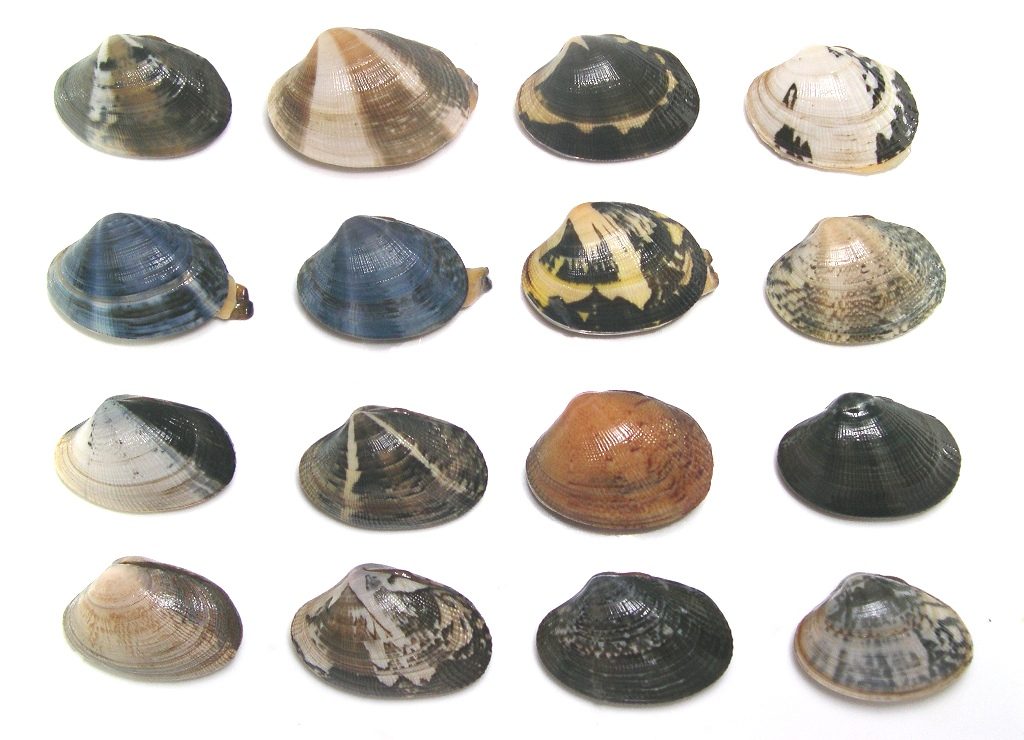
The biological sampling showed that all recorded alien species have probably been dispersed to all the suitable habitats in this region. This is confirmed by the modelling study and the expert panel.
Rotterdam‐Scheldt zone (Scheldt Estuary containing the Eastern Scheldt, Vlissingen and Antwerp)
Some hydroids (medusa stages) and dinoflagellates are found in Rotterdam, but not in the Scheldt zone. Differences in species occurrences between these two areas may be due to differences in salinities (lower salinities in some parts of the port of Rotterdam), and the timing of the surveys done. The modelling study shows connectivity but only when species are able to show specific behaviour. Species are able to travel faster from the Scheldt zone to Rotterdam than the other way around.
Antwerp‐Scheldt zone
Some alien species that are recorded in Antwerp are not recorded in the Scheldt zone and vice versa. Differences in species occurrences between these two areas may be due to different environmental conditions. The model shows a strong, but unilateral connection from Antwerp to the Scheldt zone. Here the strength of the connection also depends on the species behaviour.
Antwerp‐Rotterdam
The oceanographic results show a weak connection between the two ports. The impact of behavior and season on dispersal is very important. The river system connecting Antwerp and Rotterdam is not taken into account, in this study. The fresh and brackish water species that could be connected through this system, are not included in this study.
In conclusion, this study shows that the Scheldt zone (without Antwerp) can be considered a Same Risk Area. Whether this SRA can be extended to Rotterdam and Antwerp is less clear. Further investigation should clarify how an SRA between Belgium and the Netherlands can be finetuned.
Baetens K., Gittenberger A., Barbut L., Lacroix G. (2018). Assessment of the ecological implications when installing an SRA between Belgium and the Netherlands. Final project report. Royal Belgian Institute of Natural Sciences. Operational Directorate Natural Environment, Ecosystem Modelling. 71 pp. WaterBallast_FinalReport_20.12.2018
This research was financed by the Dutch Ministry of Infrastructure and Water Management under the contract 31136193 and by the Belgian Federal Public Service Mobility and Transport under the contract MA20180257 (including the participation of the Flemish government). We would like to thank Steven Degraer (RBINS), Francis Kerckhof (RBINS), Flemming Hansen (DTU Aqua, DK) and Johan van der Molen (NIOZ, NL) who reviewed this work and suggested useful comments.
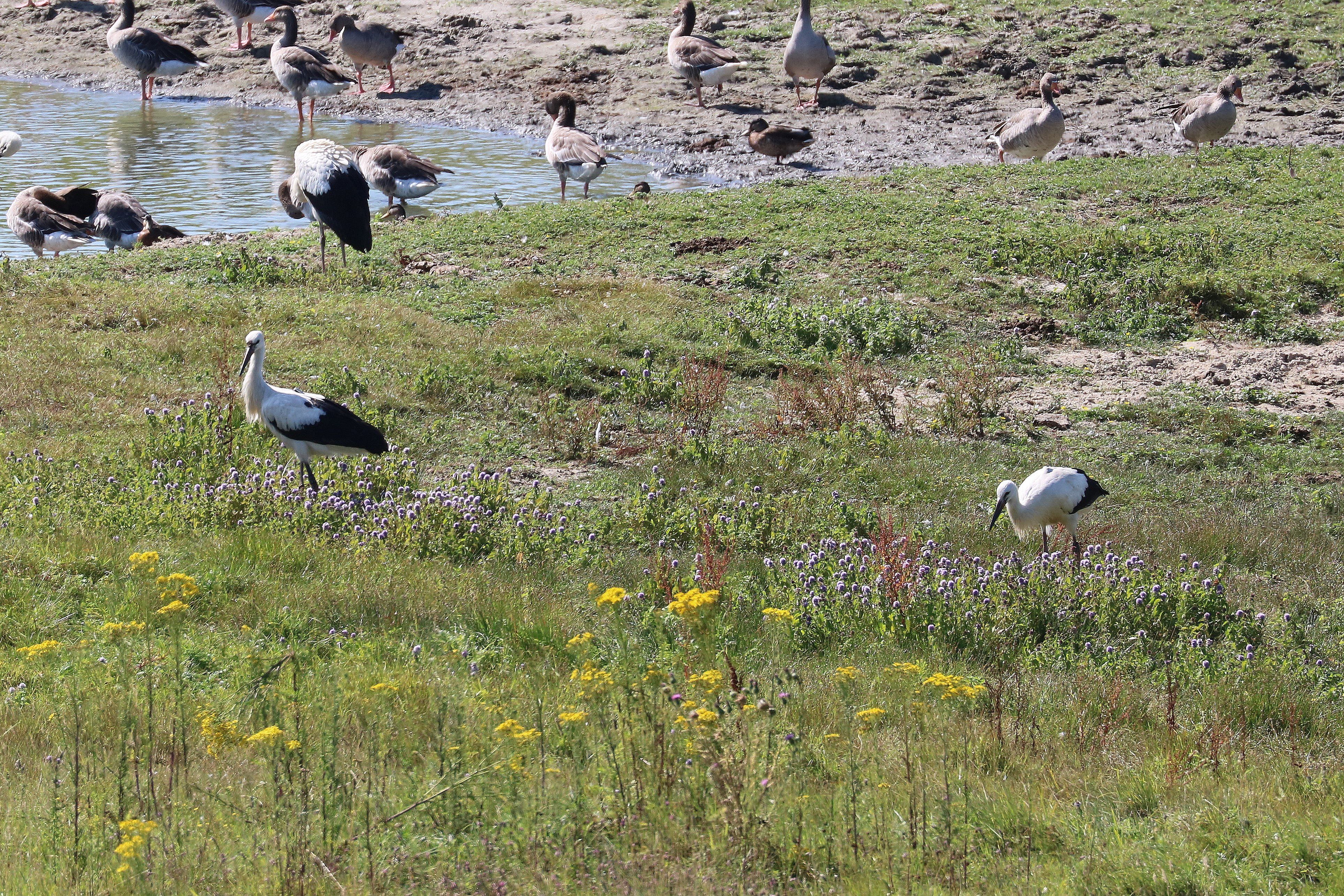
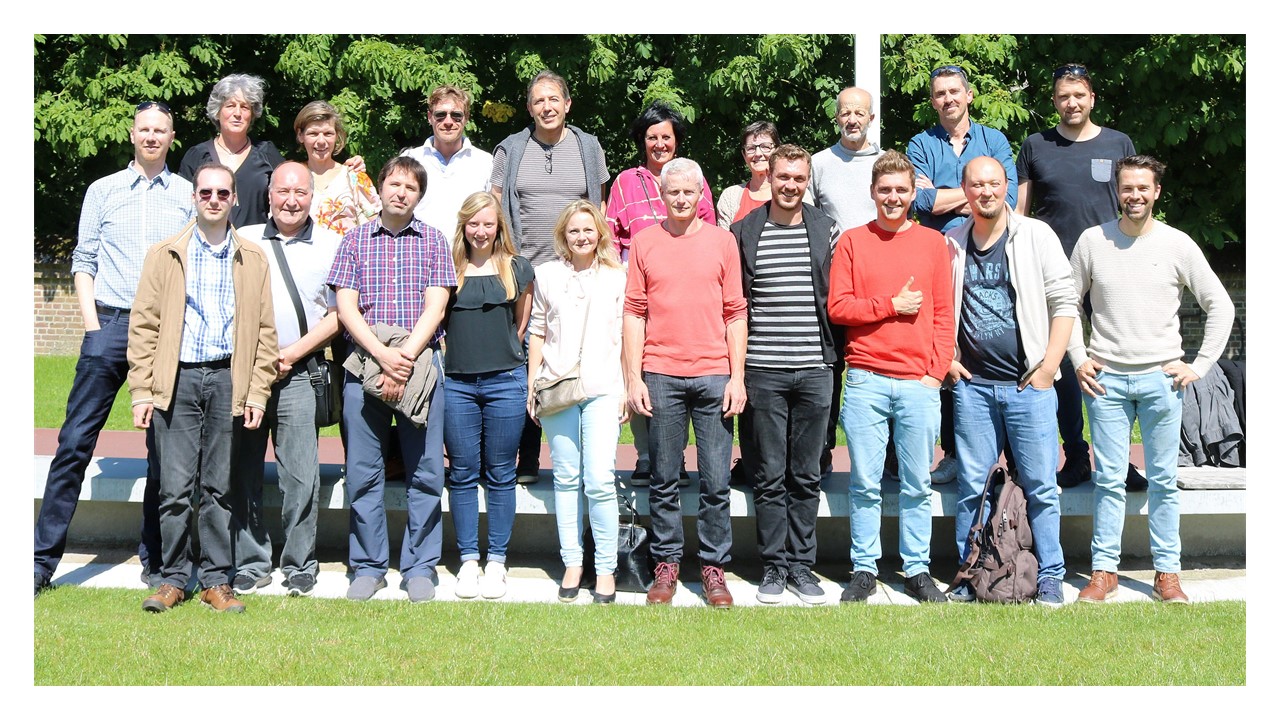
 MUMM stands for ‘Management Unit of the Mathematical Model of the North Sea’ and brings together the RBINS scientists who advise the government in relation to human activities in the Belgian part of the North Sea (the MARIMA team), perform aerial surveillance (the SURV team, additionally the OO-MMM pilots were also invited) and also carry out the federal monitoring of marine mammals at sea, coordinate the stranding network, study eutrophication and report to Europe on the state of health of our part of the North Sea. The development and maintenance of scientific websites and applications of the Operational Directorate Natural Environment (OD Nature, the largest scientific directorate within RBINS) is also carried out by MUMM specialists (the SWAP team). A large and diverse team, which was redivided several times in different ways during the team building day to bring employees with different tasks/mother tongues together!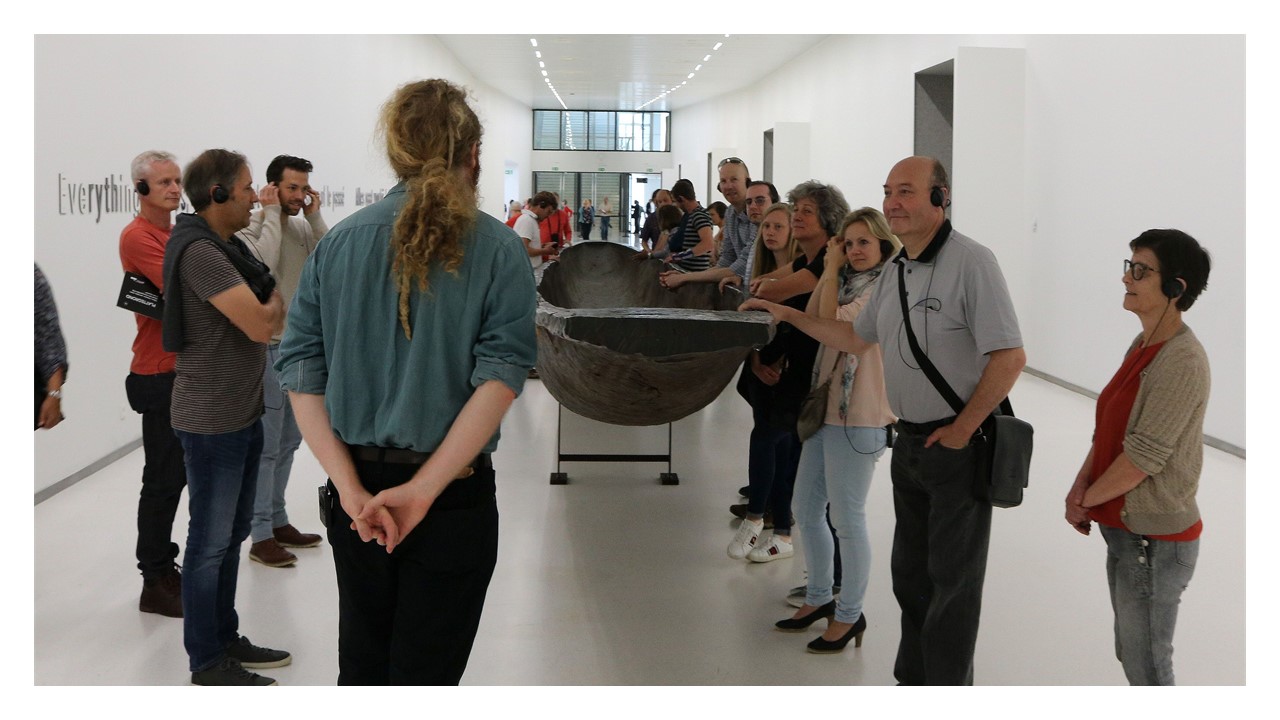
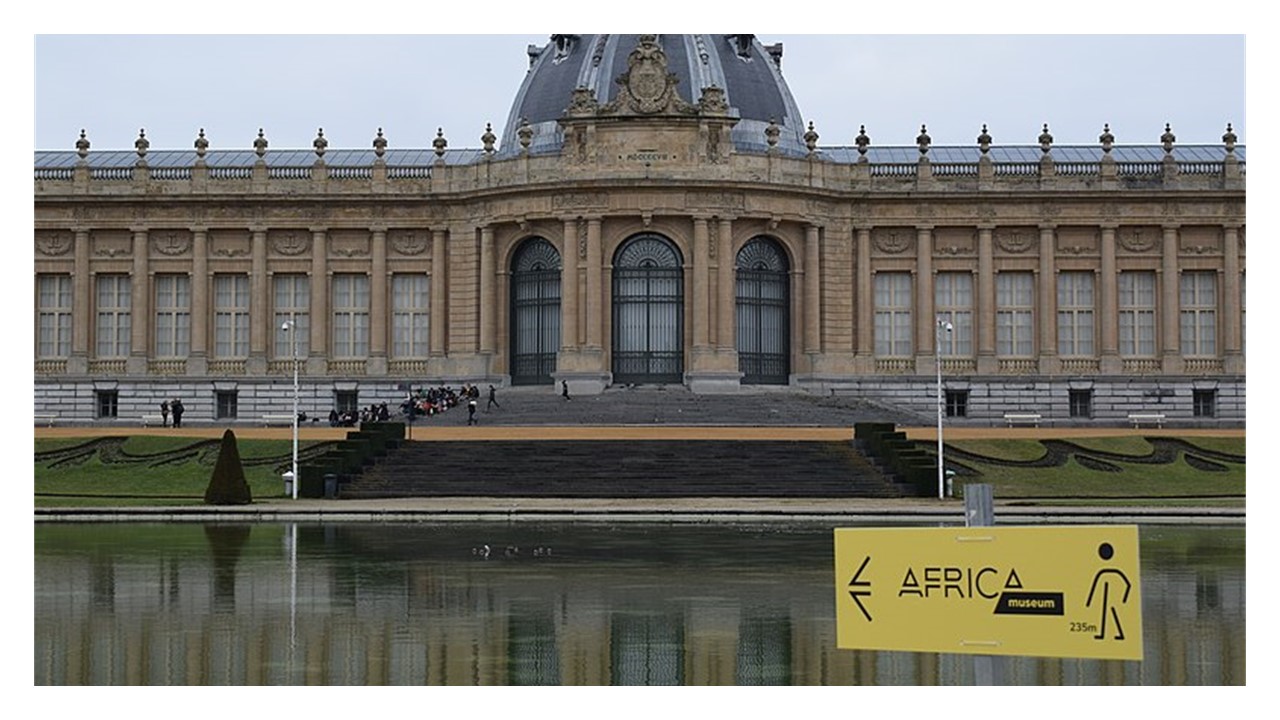
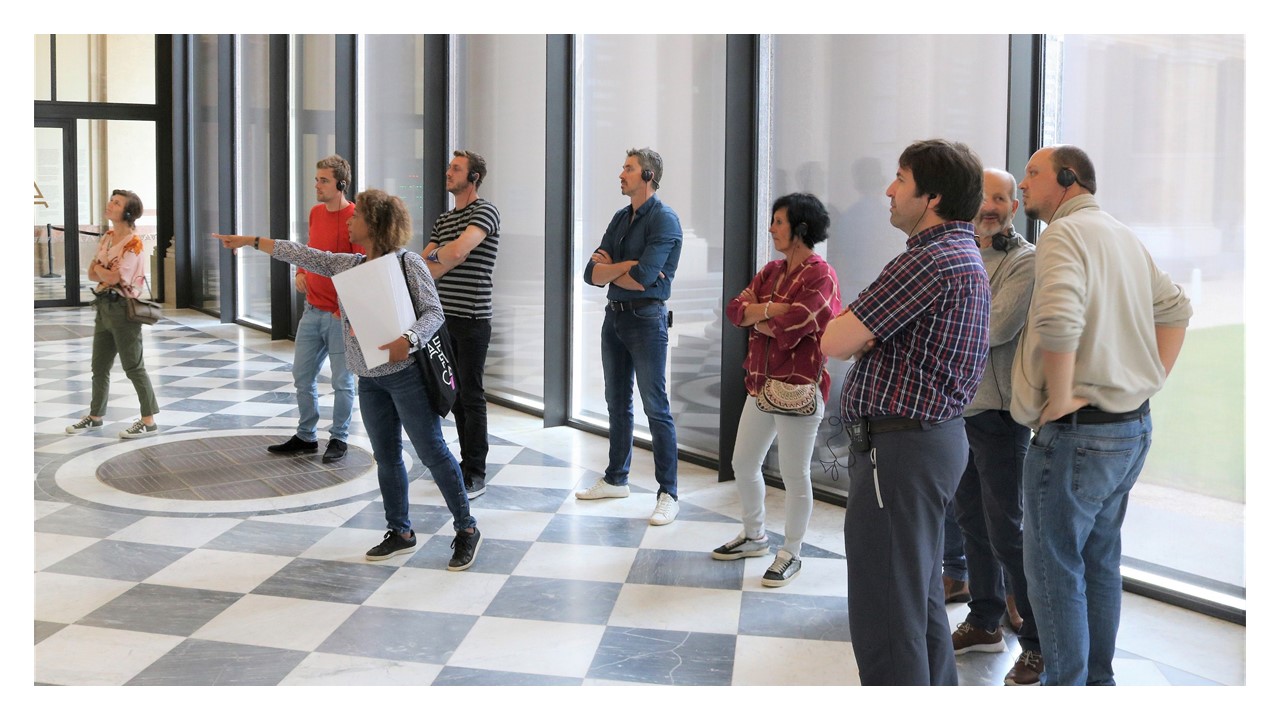 For their visit to the AfricaMuseum, the mummies opted for the guided tour ‘A blend of Central Africa’, in which they were provided information on the material culture, immaterial heritage and biodiversity of Central Africa for two hours. Of course, Belgian colonial history could not be overlooked either, and how we can deal with it in the current context. Contemporary themes such as the multicultural society and sustainable development completed the story. Some also ventured into a few African dance steps.
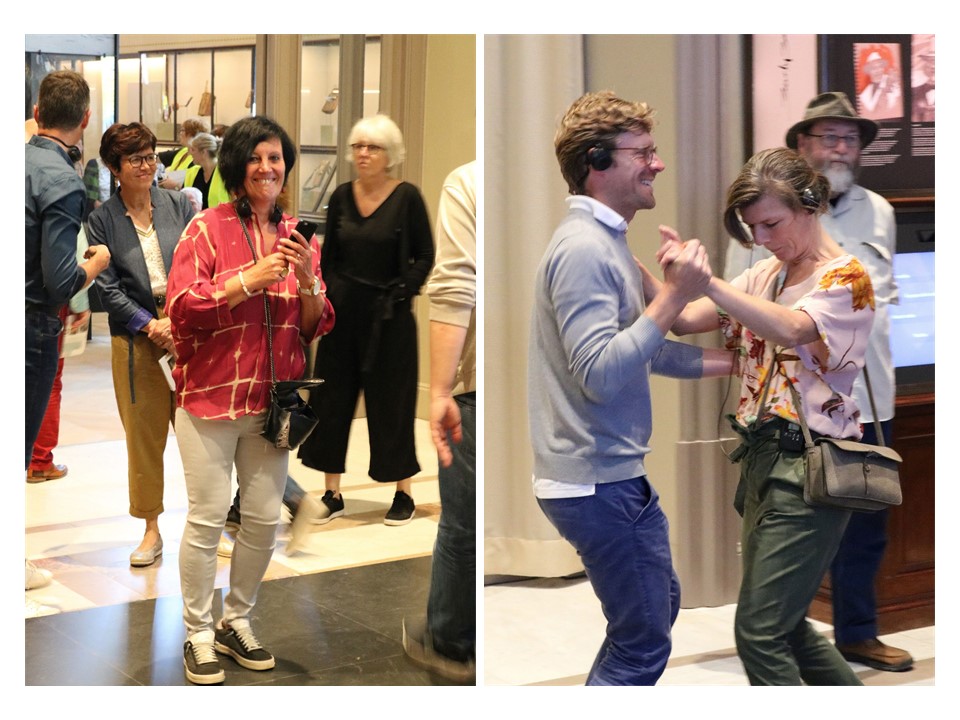 After an interesting visit to the museum and a walk in perfect weather conditions, we made our appearance for lunch in the Tervurian restaurant ‘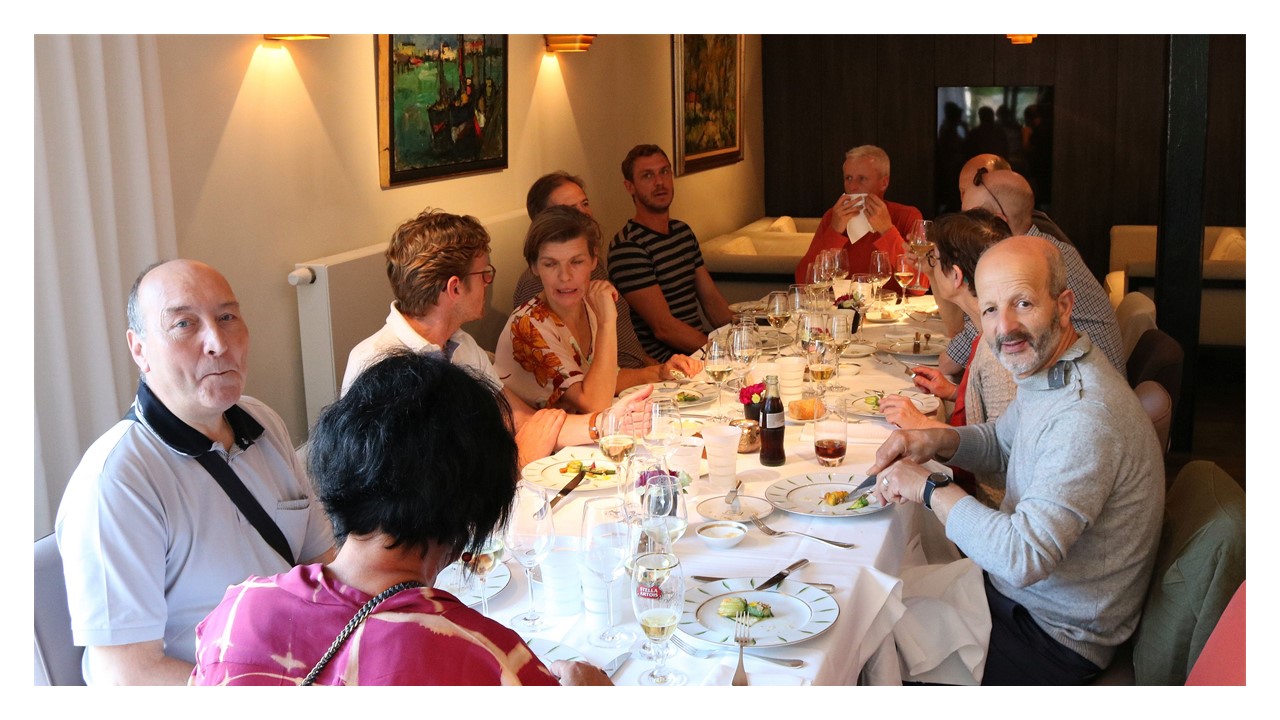
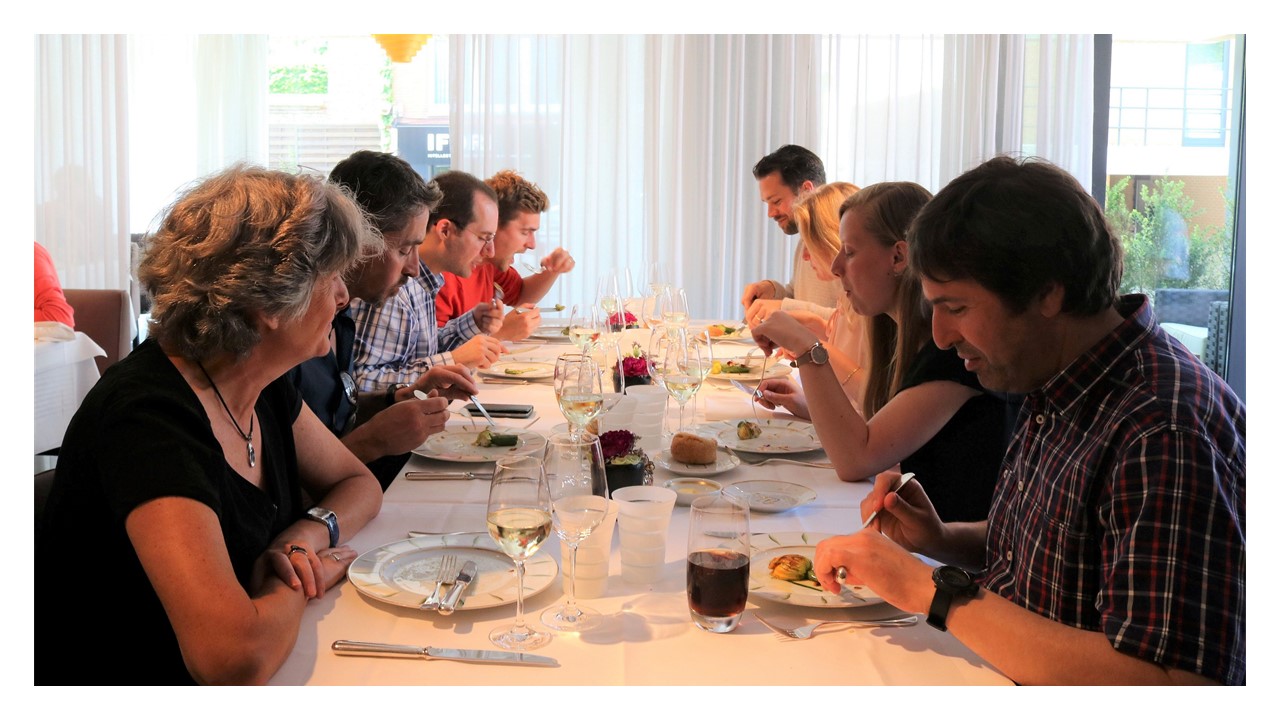 Producing a group photo was just about the only thing we were able to do afterwards. Out of sheer necessity, we then went to a nearby terrace to recover from the feast.