
For four months, national authorities from Belgium, France and the Netherlands worked alongside EMSA, the European Fisheries Control Agency (EFCA) and the European Border and Coast Guard Agency (Frontex) in one of Europe’s most heavily navigated sea areas. On 16 October, partners met in Brussels to review the 2026 Multipurpose Maritime Operation (MMO) in La Manche and the Southern North Sea and to look ahead to future operations.
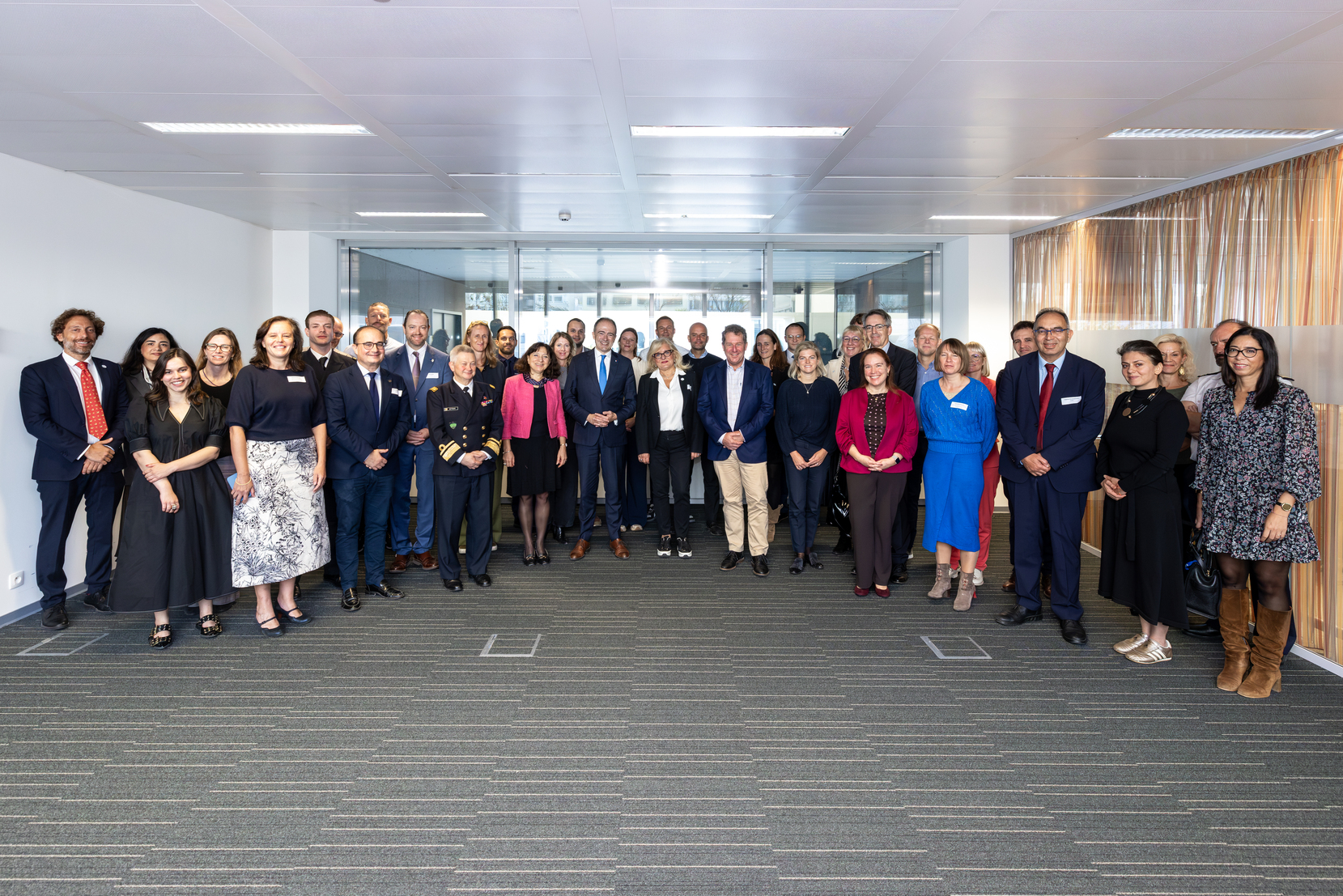
The MMO MSNS 2026 Review and Outlook Event was hosted by the Directorate-General Shipping of the Belgian Federal Public Service Mobility and Transport, in close cooperation with EMSA. The event brought together representatives of the participating authorities, the European Commission, EFCA and Frontex, in Brussels and online.
Following a welcome address by Peter Claeyssens, Director-General of DG Shipping, EMSA Executive Director Maja Markovčić Kostelac presented the results of the operation and the outlook for future cooperation in the region. Eric Banel, France’s Director General for Maritime Affairs, Fisheries and Aquaculture, shared the French perspective as a participating Member State, while Charlina Vitcheva, Director-General for Maritime Affairs and Fisheries, and Olivier Onidi, Deputy Director-General for Migration and Home Affairs, spoke on behalf of the European Commission.
Running from 11 May to 11 September 2026, this was the third consecutive MMO in the region coordinated by EMSA, in close cooperation with EFCA and Frontex. This year, the Netherlands and Frontex joined this operation in this region for the first time. Together, the participating authorities and agencies worked across nine coast guard functions and more than 30 use cases.
A shared picture at sea
At the heart of the operation was a shared, continuous picture of activity at sea, built up day by day by the authorities and agencies involved. Close to 70,000 different vessels were detected in the operational area over the four months, and around 44,000 ship calls were registered in SafeSeaNet at Dutch, French and Belgian ports.
Through the MMO dashboard, the participating authorities shared 893 operational events, covering maritime surveillance, fisheries control, border control, search and rescue, the prevention of trafficking, environmental protection and maritime safety. Eight coordination centres took part, with EMSA’s European Maritime Awareness Centre acting as the MMO Coordination Centre.
“The significance of the MMO lies in its promotion of international cooperation, not only with European agencies, but also with our closest neighbouring countries,” said Nathalie Balcaen, CEO of the Agency for Maritime and Coastal Services (MDK). “International cooperation is essential not only in responding to major incidents, but also in ensuring safe navigation in the North Sea and enhancing maritime surveillance. These objectives can only be achieved through close cross-border collaboration and the deployment of the latest technologies.”
EU services supporting national authorities
Throughout the operation, EMSA made its services available to the participating authorities:
- Integrated Maritime Services: a near real-time maritime picture combining multiple sources of information, supporting the planning and coordination of activities at sea.
- CleanSeaNet: 232 satellite images delivered over the French, Belgian and Dutch areas of responsibility to support pollution monitoring.
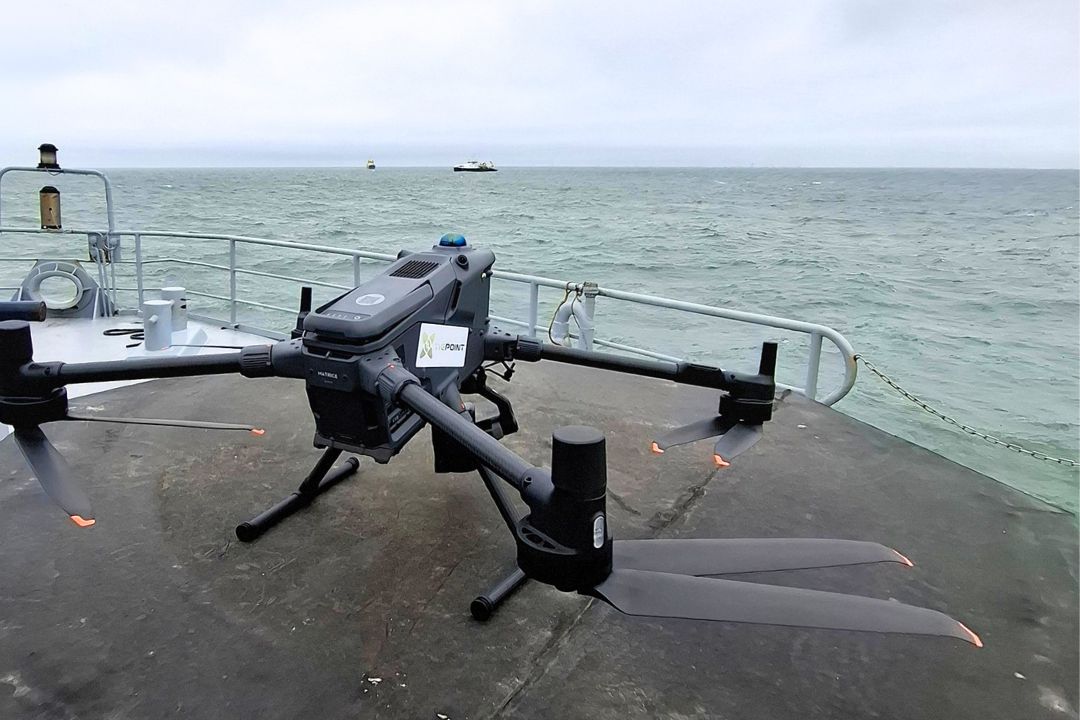
- Remotely Piloted Aircraft Systems (RPAS): within the operation, EMSA’s RPAS completed 125 flights from the Belgian coast, totalling 444 flight hours – made possible by close cooperation between the Belgian authorities and all the stakeholders involved. A lightweight EMSA RPAS also operated from EFCA’s offshore patrol vessel.
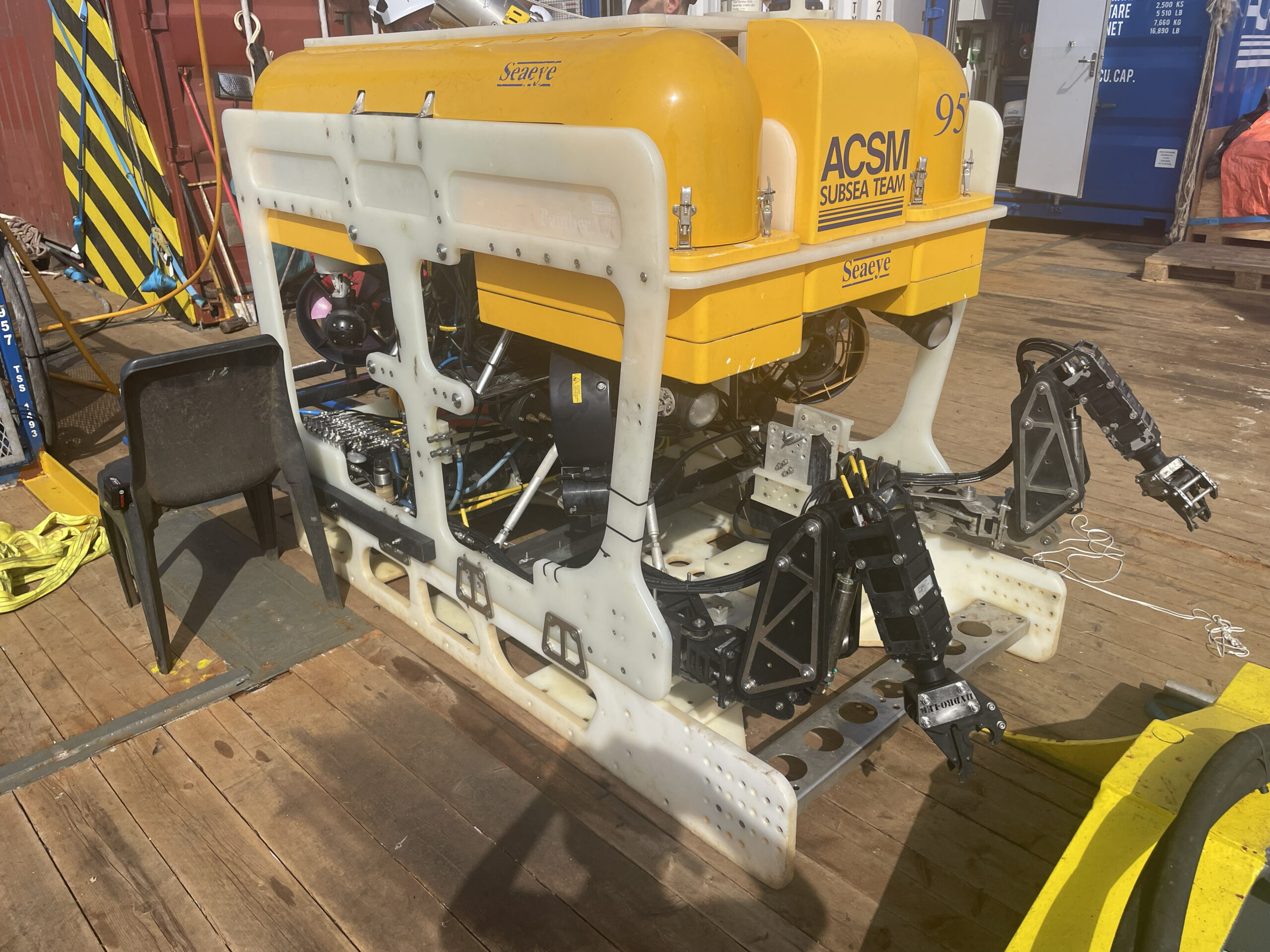
- Underwater services: remotely operated vehicles supported a broad range of use cases, – from wreck surveys and the recovery of a disused telecommunications cable off the Belgian coast to hull and harbour inspections with the Netherlands Coastguard – showing how underwater services can contribute to several coast guard functions.
- Training: the EMSA Academy offered learning activities tailored to the operation, including on the Integrated Maritime Services and RPAS.
“As a maritime nation, Belgium depends on a safe and secure North Sea,” said Rear Admiral Tanguy Botman, Commander of the Belgian Navy. “That is why the Belgian Navy actively supports initiatives such as MMO, providing personnel, coordination and facilities for RPAS operations from the Belgian coast. In the future, the information generated through these operations will be further integrated into the Maritime Information Crossroads, contributing to an even more comprehensive maritime picture and stronger maritime security.”
EFCA coordinated fisheries control activities in the operational area through its FISHNET platform and regular coordination meetings with Member States under the Western Waters and North Sea Joint Deployment Plans. The agency deployed its chartered offshore patrol vessel (OPV) Ocean Guardian and fixed-wing aircraft (FWA) Blue Knight. The EFCA assets were staffed by fisheries inspectors from several Member States, contributing to the multinational character of the operation. The FWA provided daily aerial surveillance, flying around five hours per day during daylight periods. Its live feed was provided to the French Fisheries Monitoring Centre and simultaneously monitored by EFCA’s Coordination Centre in Vigo through a dedicated online interface, enabling real-time tasking, coordination and communication with the aircraft.
Frontex supported maritime border surveillance activities in the operational area by deploying surface and aerial surveillance assets, including a Spanish offshore patrol vessel, under Joint Operation France 2026. Its maritime assets conducted 22 surveillance missions, totalling 847 running hours, while Frontex surveillance aircraft carried out 73 operational missions, totalling 310 running hours. Frontex also deployed a Coast Guard Functions officer to support the French border control authorities and provided Eurosur Fusion Services, including incident reporting, vessel monitoring and tracking, tracking of vessels of interest and Multipurpose Aerial Surveillance.
Training and exercises
Alongside these continuous services, training and exercises gave partners the opportunity to test procedures together in realistic conditions.
In June, representatives of 12 Member States were invited to train on EMSA’s pollution response equipment in Werkendam, the Netherlands, while Belgian, Dutch and EMSA vessels, including EMSA’s stand-by oil spill response vessel Interballast III, took part in the POLEX 2026 oil pollution response exercise off Zeebrugge. The exercise tested cross-border response arrangements in a simulated oil pollution scenario, including oil recovery, equipment deployment, pumping operations and ship-to-ship transfer, strengthening cooperation and coordination between participating authorities and response resources.
In September, SARex 2026 brought together operational partners from Belgium, France and the Netherlands, with support from EMSA, EFCA and Frontex, to test a coordinated multinational search and rescue response to a simulated maritime casualty involving 28 persons. Coordinated by MRCC Ostend, the exercise tested casualty recovery, medical pre-triage, ship-to-ship transfer, helicopter winching and onward evacuation, providing practical experience in coordinating the maritime, aviation and medical response across borders and adapting procedures when planned assets became unavailable.
From 24 to 26 August, EMSA organised the CISE Exercise 2026 with France to test and validate the CISE “Vessel of Interest” Operational Service. The exercise focused on the exchange of information on sanctioned vessels, including their positions.
Looking ahead
Building on this year’s experience, participants discussed priorities for future operations, including earlier engagement with national authorities in the planning phase, exercises covering a wider range of scenarios, and making assets available where they are most needed. The participating authorities have expressed their interest in a further operation in 2027.
“Cooperation is not something we switch on in May and off in September. A seasonal operation is a good start. Cooperation that lives all year round is a capability,” said EMSA Executive Director Maja Markovčić Kostelac. “That is the idea behind the future of MMOs – owned by the participating authorities, supported by the agencies within their mandates, and built step by step.”
EMSA thanks DG Shipping for hosting the review, and all the participating authorities, EFCA and Frontex – and in particular the crews, operators and coordination centre staff – for their commitment throughout the operation.
European cooperation on coast guard functions
Multipurpose maritime operations are a practical expression of European cooperation on coast guard functions, through which EMSA, EFCA and Frontex, each within its mandate, support the national authorities carrying out coast guard functions. By bringing national expertise and EU-level services together in one operational framework, they help authorities share information, make better use of available assets and build the working relationships that matter when a response is needed.
Participating authorities
Belgium: Agency for Maritime and Coastal Services (MDK); Belgian Navy; Agency for Agriculture and Fisheries; Scientific Service MUMM (Royal Belgian Institute of Natural Sciences); Directorate-General Environment (FPS Health, Food Chain Safety and Environment); Directorate-General Shipping (FPS Mobility and Transport); Maritime and River Police
France: Secretariat General for the Sea (SGMer); Maritime Prefecture for La Manche and the North Sea; French Navy; Directorate General for Maritime Affairs, Fisheries and Aquaculture (DGAMPA)
The Netherlands: Netherlands Coastguard; Human Environment and Transport Inspectorate (ILT)
EU agencies: EMSA; European Fisheries Control Agency (EFCA); European Border and Coast Guard Agency (Frontex)