
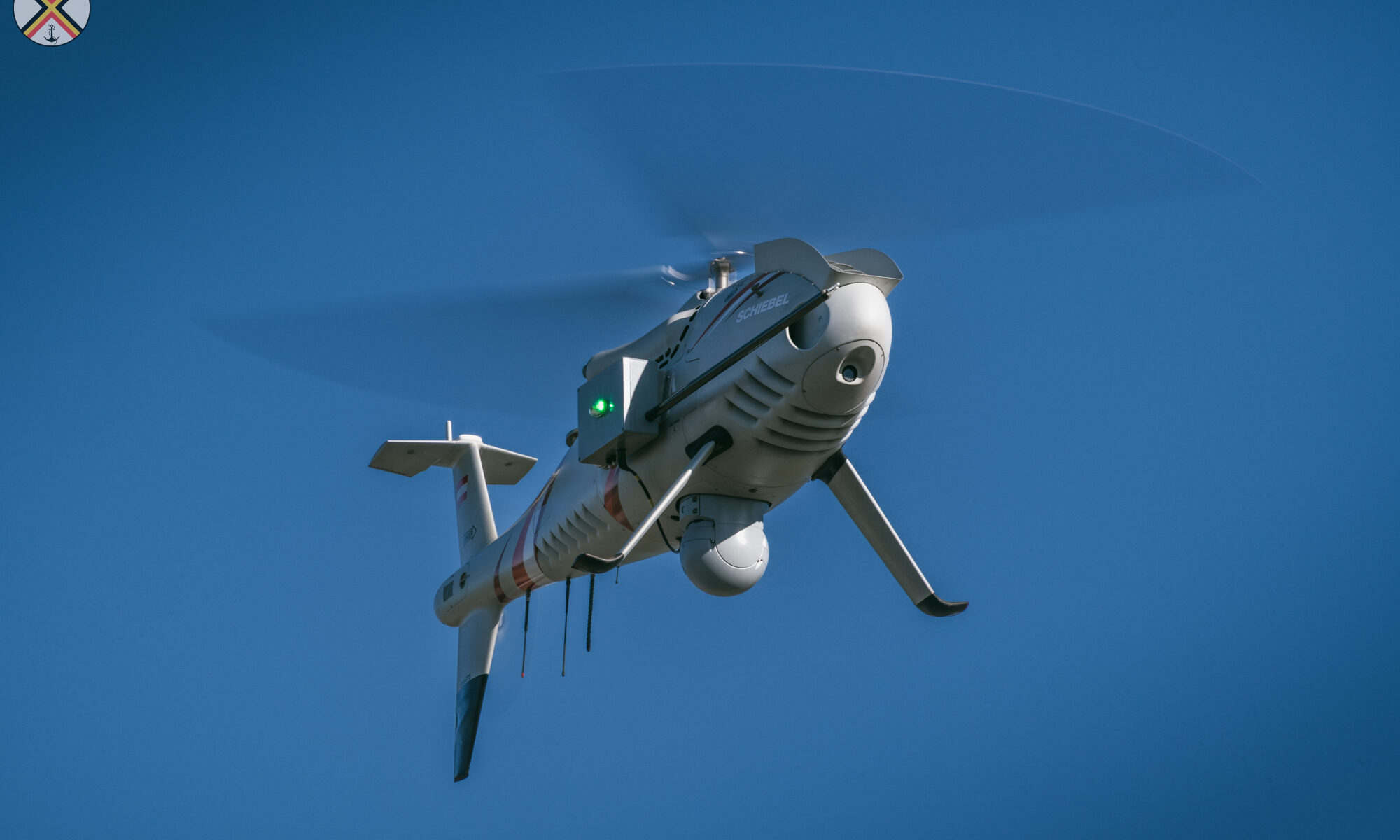
For the first time, a drone carrying out surveillance operations above the North Sea is operating from Belgium. The drone is being made available to the Belgian Coast Guard for the third consecutive year in the framework of the Multipurpose Maritime Operation (MMO).
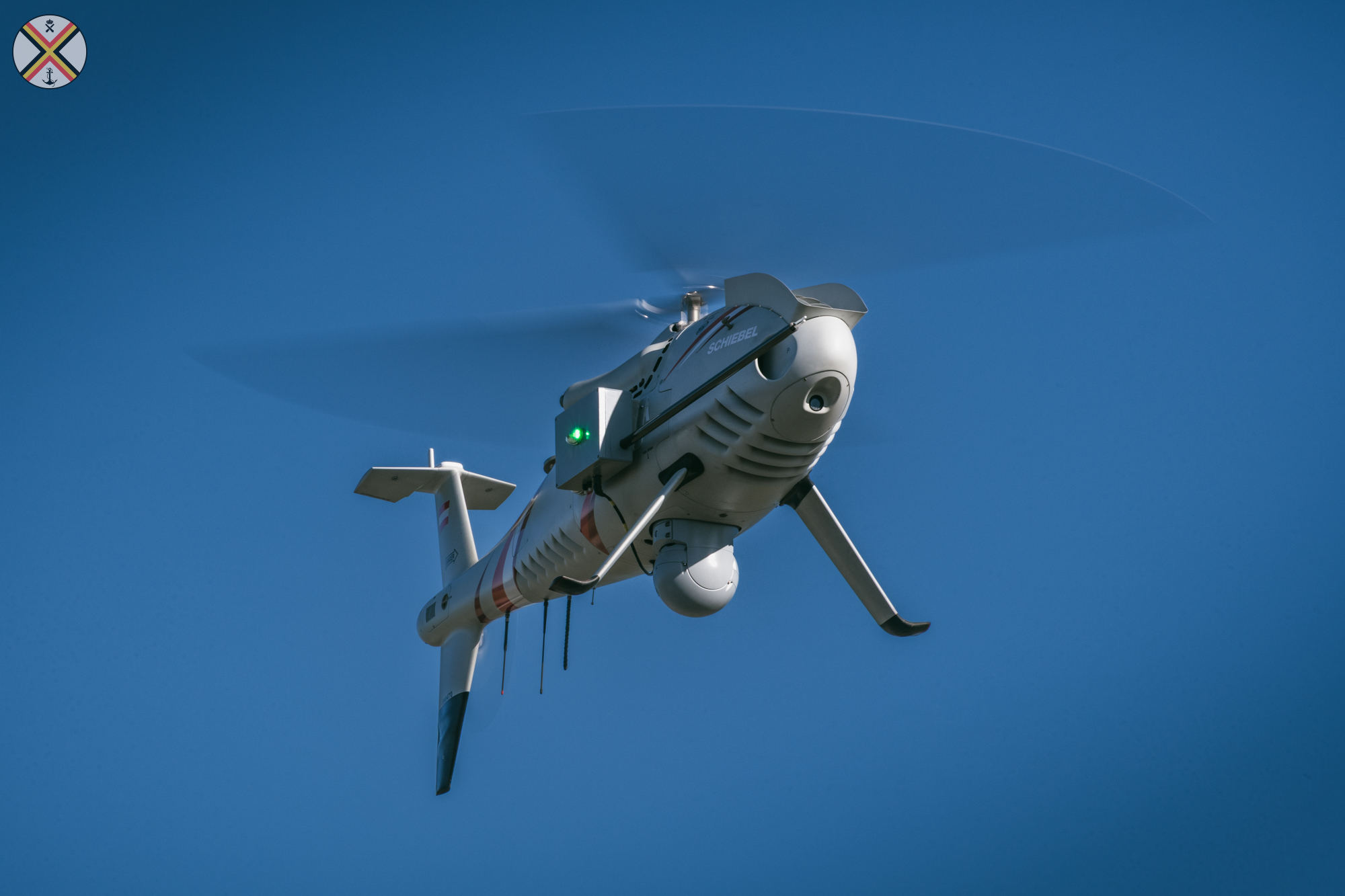
For the third consecutive year, the Belgian Coast Guard is taking part in the Multipurpose Maritime Operation (MMO) of the European Maritime Safety Agency (EMSA). The European Fisheries Control Agency (EFCA) and Frontex are also supporting the operation. Alongside Belgium and France, the Netherlands is joining the cooperation for the first time this year.
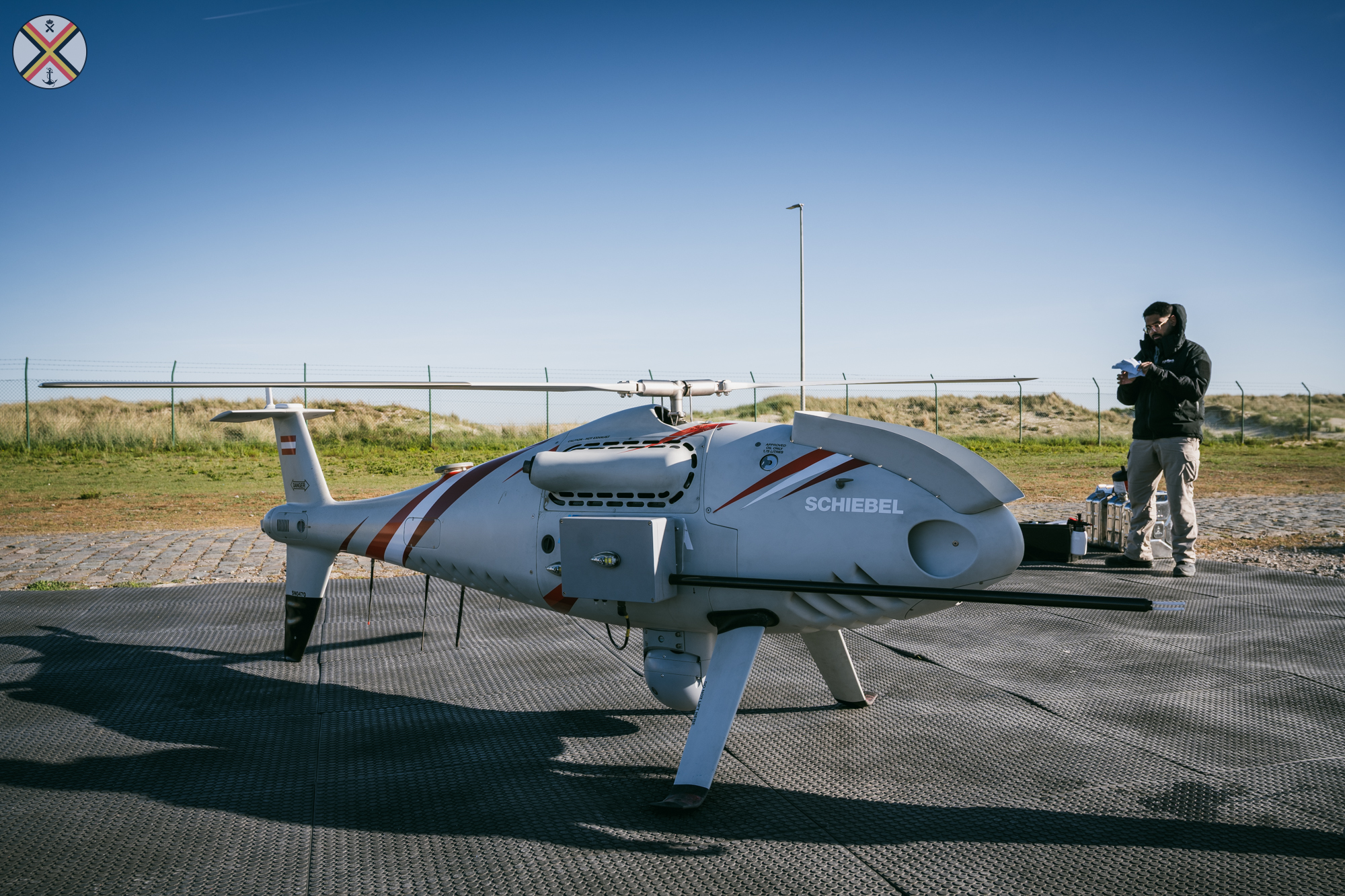
As part of this international maritime operation, EMSA is making a drone available to the participating countries. New this year is that the RPAS drone (Remotely Piloted Aircraft System) will operate from Belgium until mid-July, significantly increasing its operational deployability. The drone takes off from the military base in Lombardsijde, where a temporary operational base has been specially set up for the mission. During the previous two MMO editions, the drone operated exclusively from the French CROSS Gris-Nez centre.
“Thanks to this technology, authorities can respond more quickly and in a more targeted way in one of Europe’s busiest and most sensitive maritime areas,” says Coast Guard Chair and Administrator-General of the Agency for Maritime and Coastal Services, Nathalie Balcaen.
Multifunctional
Strict regulations apply in the North Sea. Ships must comply with international navigation rules that ensure safe and orderly maritime traffic. Certain zones, such as offshore wind farms, are restricted areas. The drone can efficiently detect illegal fishing, human smuggling and transmigration by sea, vessels failing to use the mandatory AIS identification system, marine pollution caused by shipping incidents, and other violations of maritime or environmental legislation, enabling more targeted enforcement. In addition, the drone can support search-and-rescue operations at sea and even scientific research.
According to Admiral Tanguy Botman, commander of the Belgian Navy, the RPAS drone offers several key advantages: “The drone can be deployed rapidly, covers a much larger area than a patrol vessel, and provides extremely sharp imagery.” These images are shared in real time with the operator and coast guard centres, allowing for faster and more effective action. In the longer term, the ambition is to deploy this form of maritime surveillance permanently. (Example of footage captured by the RPAS drone in the video below.)
In addition to the aerial drone, the European agencies are also providing an underwater drone. This can be used, among other things, to detect unused telecommunications cables and assist in their removal. The underwater drone also enables the accurate mapping of lost anchors and wrecks.
Complementary
The aerial surveillance programme of the scientific service “Management Unit of the Mathematical Model of the North Sea” of the Institute of Natural Sciences will monitor the deployment of the RPAS as a complementary tool reinforcing the existing manned aerial surveillance over the North Sea.
The RPAS supports these operations by enabling targeted verifications, incident observations, and environmental monitoring. Using the Belgian Coast Guard aircraft, the aerial surveillance team follows up on cases involving possible marine pollution, oceanographic phenomena such as algal blooms and marine mammals, verification of CleanSeaNet satellite alerts, and pollution-related incidents.
The combination of manned and unmanned aerial assets increases the effectiveness, continuity, and future resilience of Belgian maritime surveillance.
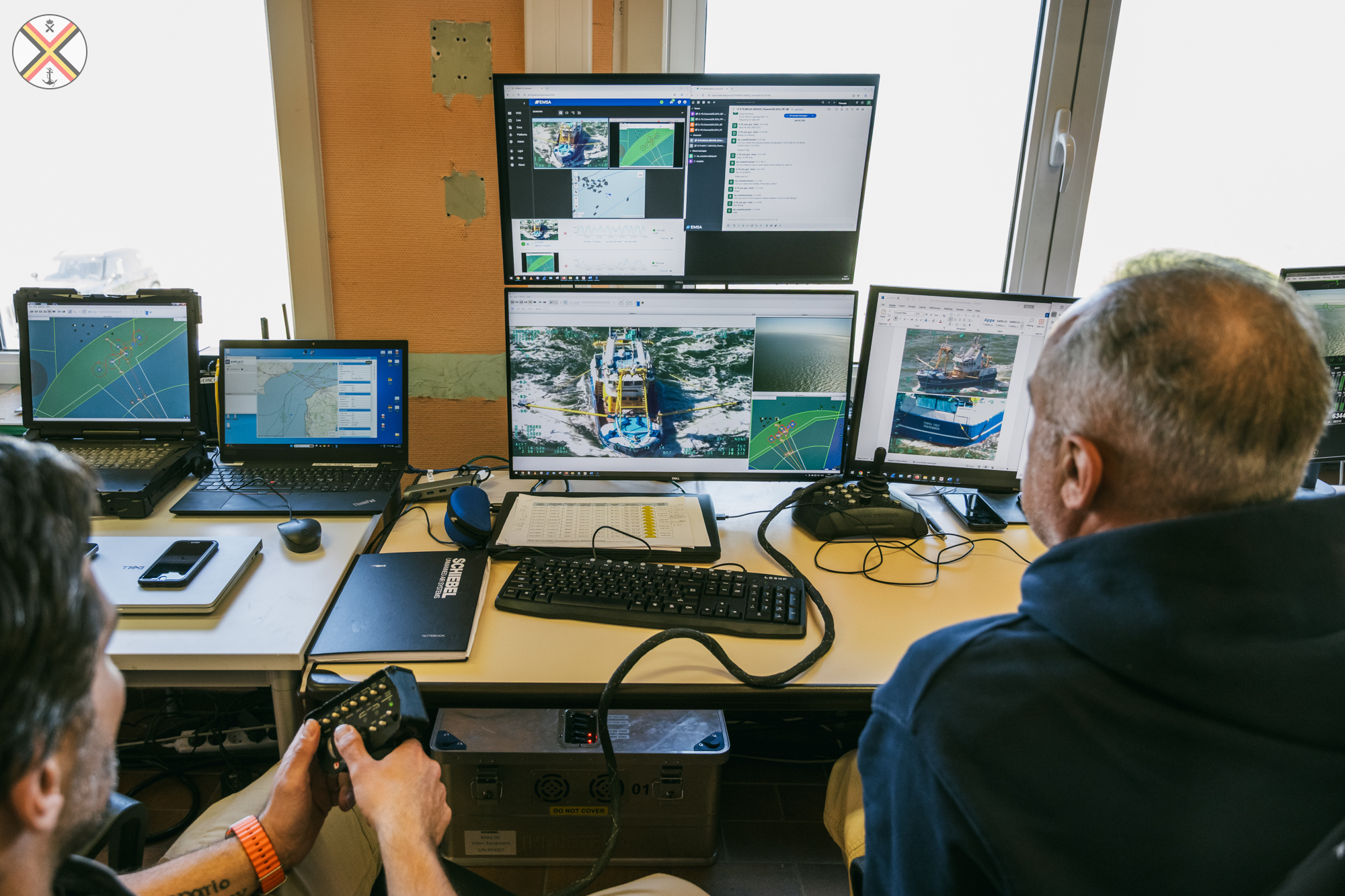
The Belgian Coast Guard is a structural cooperation framework between federal and Flemish public services with responsibilities at sea, coordinated from the Coast Guard Centre. Its operations are based on two pillars: security, coordinated by the Maritime Information Crossroads (MIK), and safety and rescue services, coordinated by the Maritime Rescue and Coordination Centre (MRCC).