
In a newly published report, the Institute of Natural Sciences and the Climate Risk Assessment Center (CERAC) warn about the significant impacts of climate change on the Belgian part of the North Sea. Combined with the many human activities taking place in our sea, climate change is exerting a strong influence on marine habitats, species, and the services they provide to society. The researchers identify seven major climate-related risks.
The Belgian part of the North Sea accounts for 11% of Belgium’s territory. Many important activities are concentrated in this area, including shipping, fisheries, offshore wind farms, sand extraction, military exercises, and tourism. All of these activities compete for space and place considerable pressure on marine ecosystems. Furthermore, pollution and seabed disturbance make life in the North Sea vulnerable.
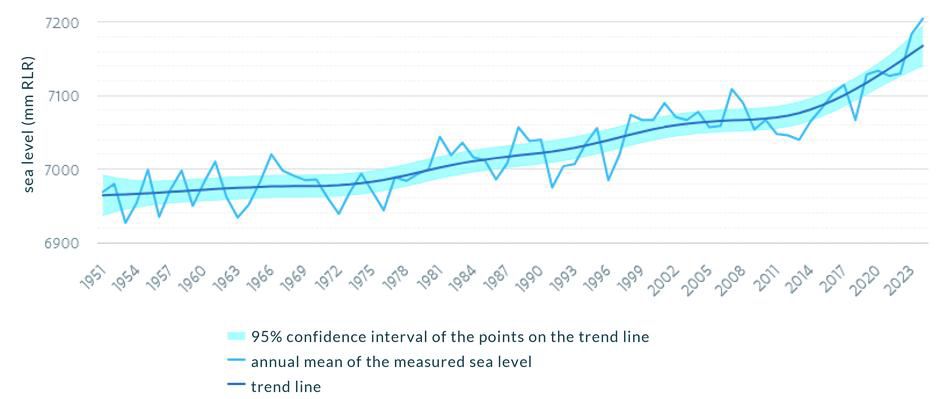
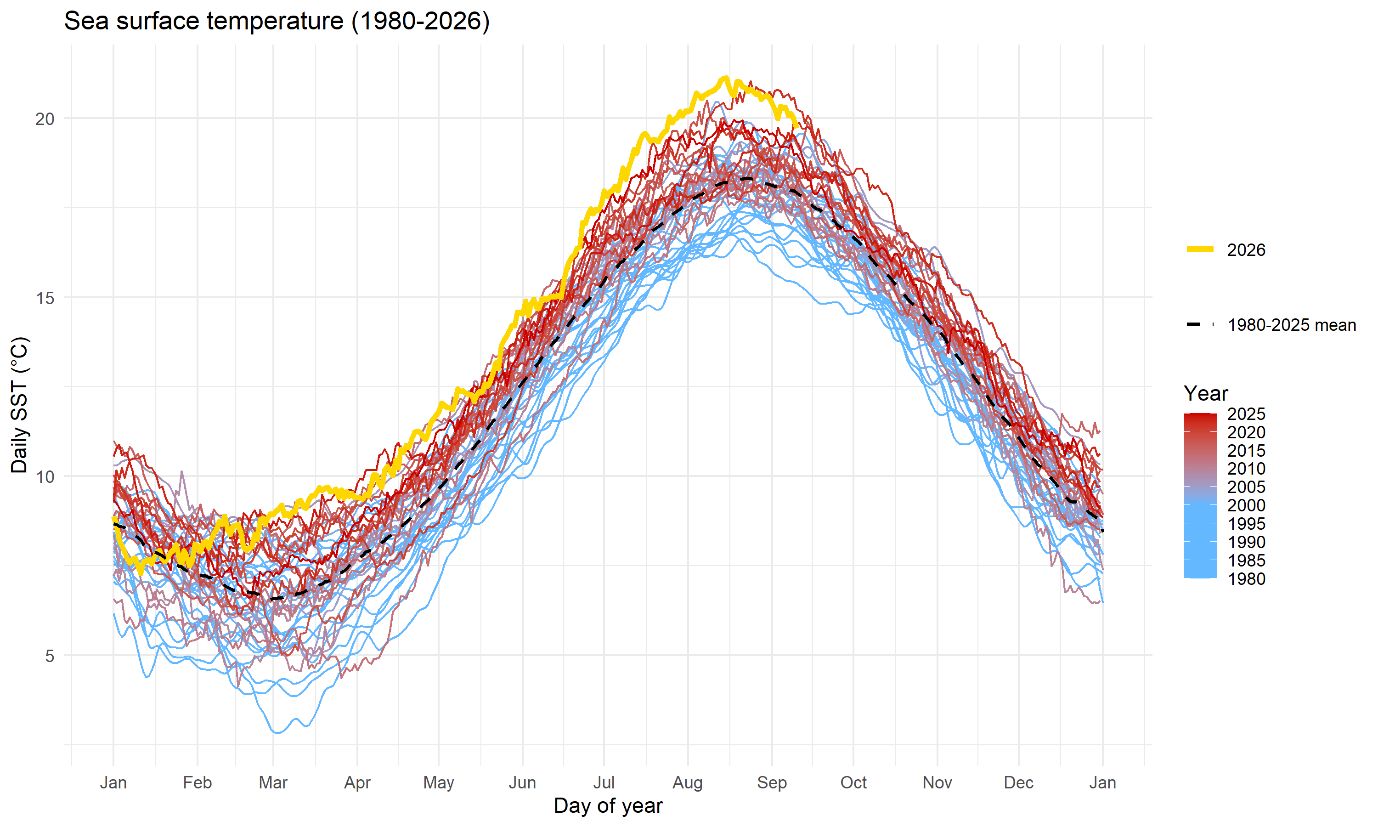
Climate change adds an additional layer of pressure and its impacts are already clearly visible today. Sea level in Ostend rose by nearly 24 centimetres between 1951 and 2024. Sea surface temperatures have also increased markedly in recent decades, with last summer bringing the longest marine heatwave ever recorded, lasting no fewer than 87 days.
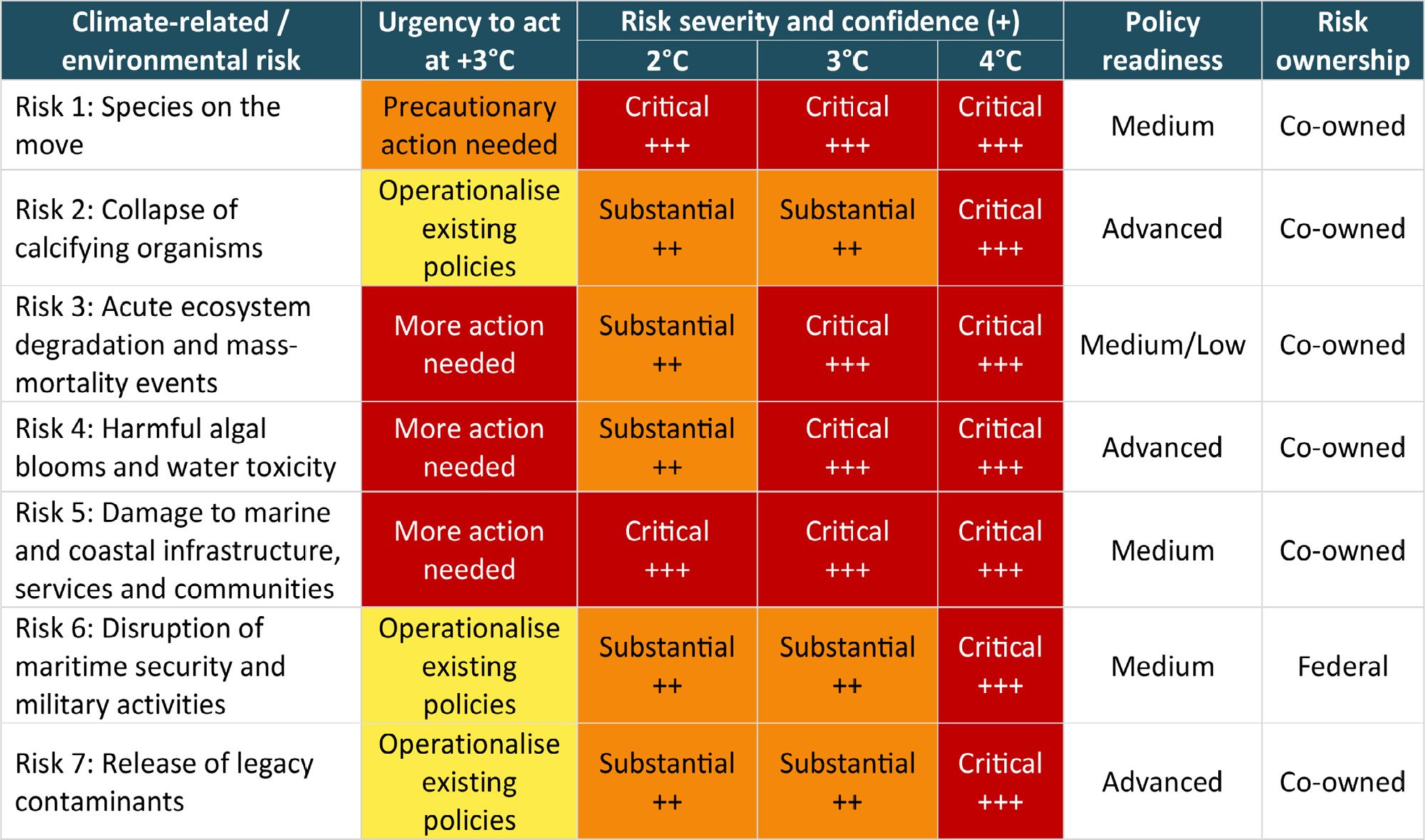
Two Critical Risks at +2°C, Seven at +4°C
In this first exploratory report, the researchers identified seven major climate-related risks. With a temperature increase of 4°C above pre-industrial levels, all seven risks become critical. Four of them are already critical at +3°C, while two become critical at +2°C.
- Species migration: The continued warming of seawater is expected to reduce stocks of commercially important species such as cod, herring and plaice, while driving them northward and into deeper waters. Species from warmer or more southern waters, including invasive species, will become more prominent. However, they are unlikely to fully compensate for the loss of existing fish stocks.
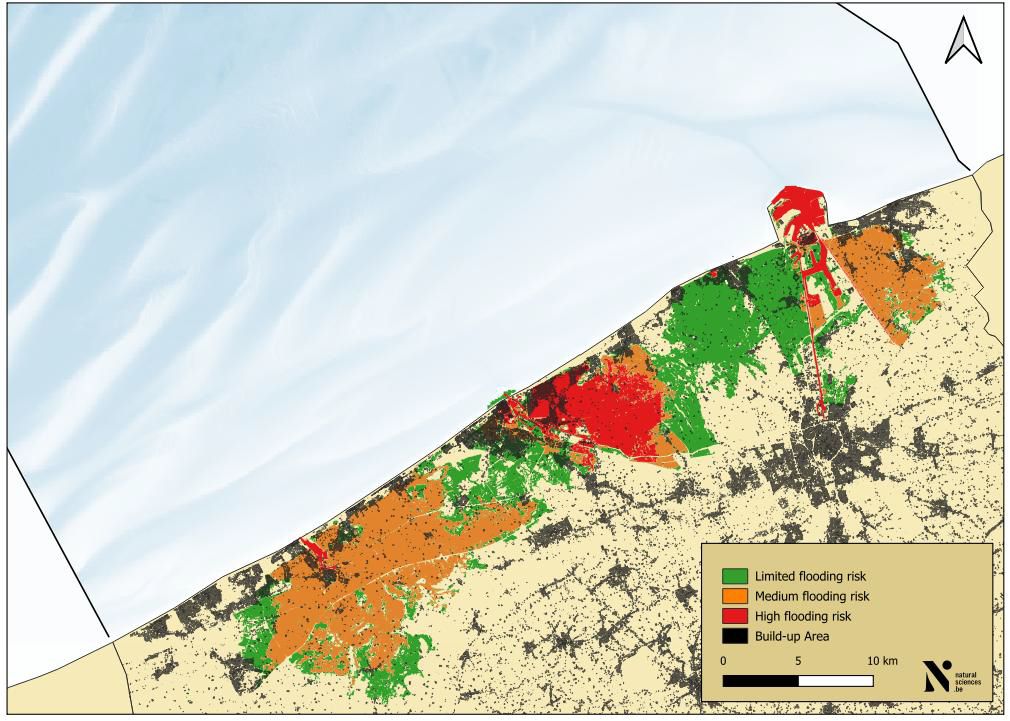
- Damage to coastal infrastructure: The combination of sea-level rise and more frequent, intense storms increases the risk of damage to vital structures such as coastal defence systems, ports and offshore wind farms.
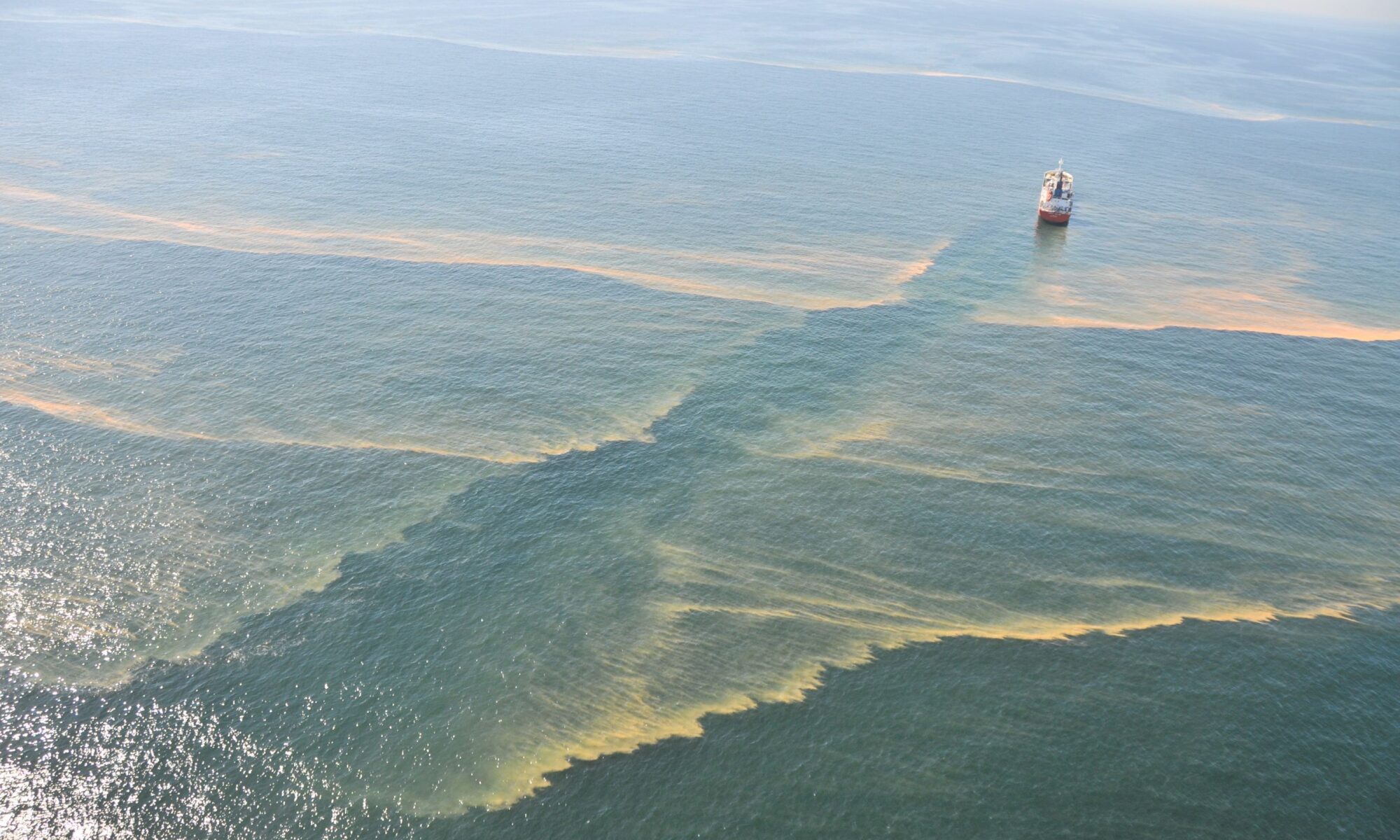
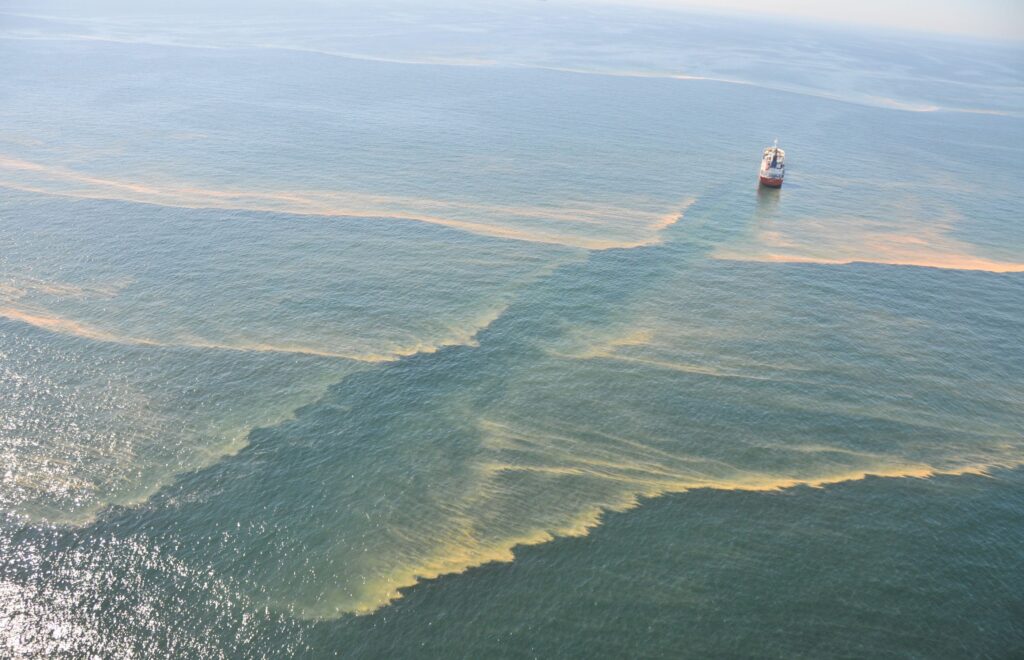
At +3°C, harmful algal blooms also become a critical risk. Warmer seawater enriched with nutrients carried by rivers (mainly nitrogen and phosphorus compounds) can induce harmful algal blooms. Some species produce toxins that accumulate in shellfish and may lead to food safety concerns. Microscopic algae can also cause the formation of sea foam on beaches. When these algae die, they release proteins and gelatinous substances that are whipped into thick foam by waves and wind. In 2020, five surfers drowned in the Netherlands after becoming trapped in exceptionally dense sea foam.
Climate risks amplify the impacts of human activities
“The main finding is that climate risks rarely occur in isolation,” says Ward Van Roy, marine researcher at the Institute of Natural Sciences. “Sea-level rise, ocean warming and ocean acidification all drive multiple risks simultaneously. They are superimposed on the already considerable pressures caused by the many human activities in our North Sea area. As a result, impacts can accumulate. Imagine a marine heatwave occurring together with an extreme algal bloom and a less well-mixed water column. This can cause severe oxygen depletion in the sea, triggering a domino effect that may result in mass mortality of marine life.”
Our economic activities depend heavily on the ecosystems of the North Sea and on coastal infrastructure. Consequently, the impacts of climate change may cascade into other sectors, including shipping, logistics and the wider Belgian economy. A healthy and safe North Sea is the foundation of our blue economy. Protecting the sea also means protecting our economy.
Recommendations
“The challenge was to establish priorities and bring together the consequences of these risks for a wide range of stakeholders and sectors within Belgian society into a single analysis,” says Luc Bas, Director of CERAC. “This cross-sectoral approach helps identify where action and anticipation are needed in public decision-making. Further work is required, but this already represents an important first step.”
Belgium already has a wide range of instruments for monitoring, planning and managing the marine environment. The report recommends integrating the potential impacts of climate change into existing policy frameworks and ensuring sufficient resources for their implementation. It also calls for reducing existing human pressures, such as eutrophication (causing harmful algal blooms), pollution and seabed disturbance, and for developing specific action plans for acute events.
Finally, the report recommends clarifying responsibilities, building on existing coordination mechanisms, such as the Belgian Coast Guard, and adapting measures as new knowledge becomes available.
“Our North Sea is changing, and policymakers must take this into account,” the researchers conclude.